What to Expect During Professional Wildlife Removal Service
People seeking wildlife removal typically want pests safely removed and excluded, and local service providers can handle the job efficiently and humanely.
If you're considering professional wildlife removal services, understanding what to expect during the process can help ease any concerns and prepare you for a smooth experience. Typically, property owners may notice a thorough inspection of the affected areas, where experienced service providers identify entry points and signs of wildlife activity. During the removal phase, local contractors often employ humane techniques to safely and effectively relocate animals, ensuring minimal disruption to your property. Knowing that these professionals handle the situation with care and expertise can provide reassurance that the process will be handled responsibly and efficiently.
As the wildlife removal service progresses, property owners might see repairs or sealing of entry points to prevent future issues. Many local providers also offer advice on how to make properties less attractive to wildlife, helping to reduce the likelihood of recurring problems. Keeping in mind that professional wildlife removal services prioritize humane practices and prioritize safety, property owners can feel confident that the job is being managed by experienced local experts. Continuing to explore this topic can offer valuable insights into how these services can help restore comfort and security to your home or business.
- **Wildlife inspection** - when wildlife has been spotted or suspected inside a property, local contractors assess the extent of the intrusion and identify entry points.
- **Exclusion services** - during wildlife removal, professionals seal off entry points to prevent animals from re-entering after removal.
- **Animal trapping** - when animals need to be safely captured and removed, local pros use humane traps tailored to the specific species involved.
- **Habitat cleanup** - after wildlife removal, service providers clean and restore areas affected by animal activity to prevent future issues.
- **Damage repair** - if property damage has occurred, local contractors perform repairs to restore structural integrity and prevent re-entry.
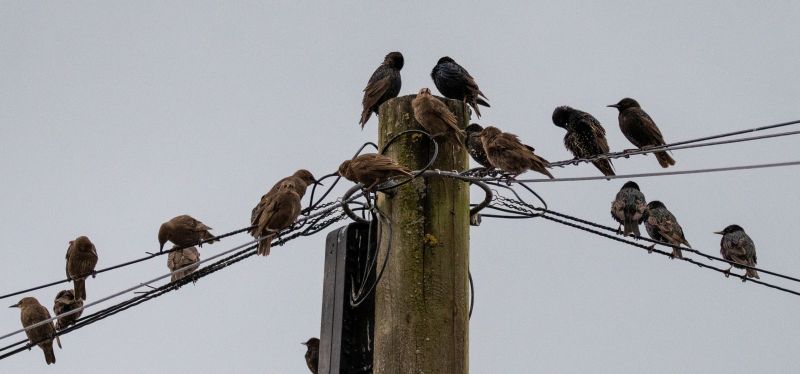
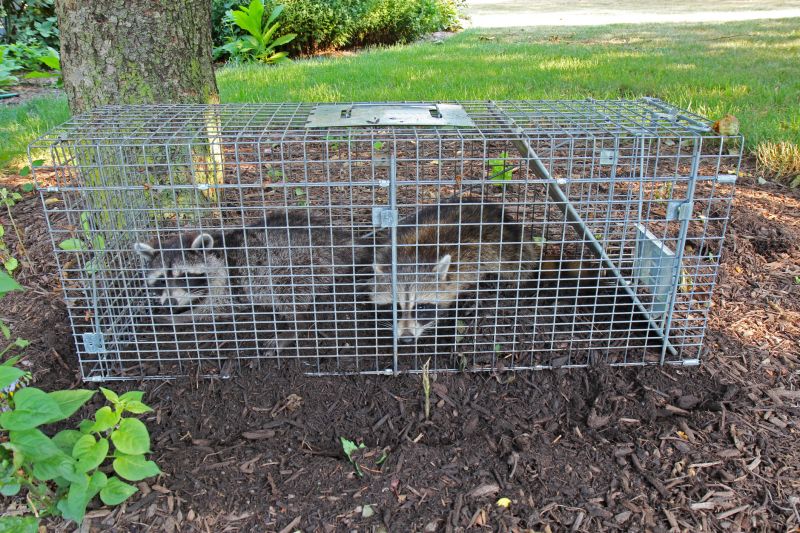
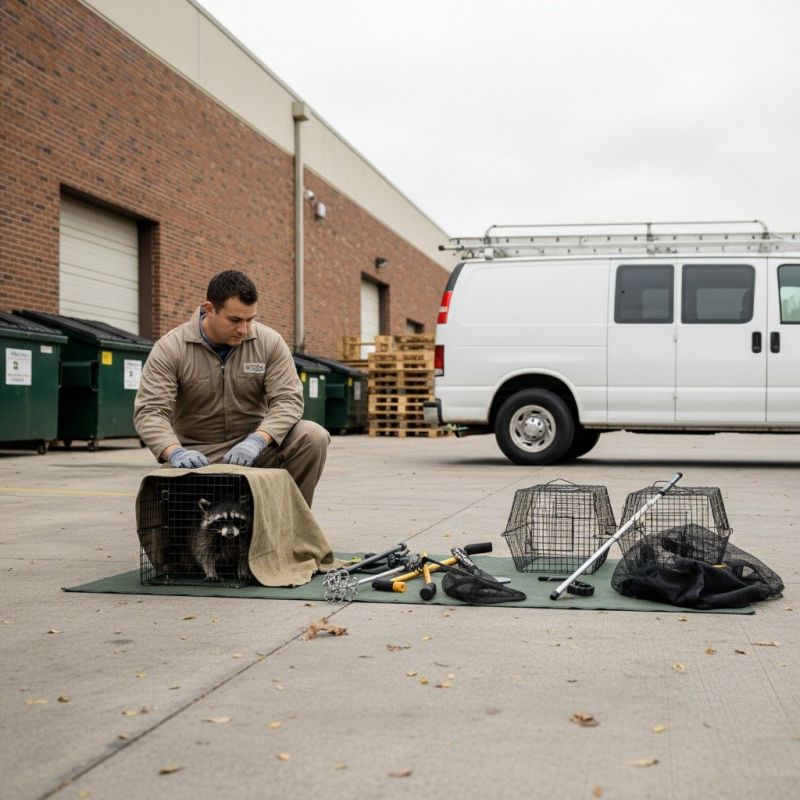
When searching for information on what to expect during professional wildlife removal service, homeowners typically want to understand the general process involved when wildlife is found on or around their property. This often relates to situations where animals such as raccoons, squirrels, bats, or birds have taken up residence in attics, crawl spaces, or other hidden areas. People are usually concerned about how the animals will be safely and humanely removed, what steps are involved in sealing entry points, and how the property will be inspected for signs of ongoing issues or damage. Knowing what the process entails helps homeowners prepare for the service and understand how local contractors handle these types of projects.
Wildlife removal services are often sought when property owners notice signs of animal activity or damage, such as droppings, gnaw marks, or unusual noises. These problems can be urgent, especially if animals are nesting in areas that could cause structural damage or health concerns. Plans for wildlife removal typically involve an assessment of the property to identify entry points and the extent of the problem. The goal is to safely remove the animals, prevent future access, and address any damage or sanitation issues caused by the wildlife. Homeowners often want to know what methods are used and how the process is carried out to ensure the safety of both the animals and the property.
The types of properties that commonly come up in wildlife removal projects include residential homes, especially those with attics, basements, or garages, as well as small commercial buildings or outbuildings like sheds. Homes with older construction or those with gaps in the roof, soffits, or foundation are more vulnerable to animal entry. Attics are a frequent target because they provide shelter and easy access for many species. Commercial properties, such as warehouses or storage units, can also be affected, especially if they have gaps or openings that allow wildlife to enter. Local service providers are experienced in handling these various property types and can adapt their approach to the specific needs of each project.
Understanding what to expect during professional wildlife removal service helps homeowners see how local pros fit into the process. These service providers typically begin with an inspection to determine the species involved, entry points, and the extent of the problem. The removal process may involve trapping, exclusion techniques, and sealing off access points to prevent animals from returning. After the animals are removed, some services include cleanup and sanitation to address droppings or damage. Throughout the process, homeowners can expect the work to be carried out efficiently and with attention to minimizing disruption. Connecting with experienced local contractors ensures that the project is handled professionally, with the goal of resolving wildlife issues effectively and preventing future problems.
Attic insulation removal and replacement - professionals often handle insulation tasks when wildlife has caused contamination or damage, requiring careful planning and specialized tools similar to wildlife removal procedures.
Exclusion and sealing projects - these involve identifying entry points and installing barriers, which aligns with the planning and execution skills used in wildlife removal services.
Rodent trapping and baiting services - this work shares techniques with wildlife removal, including trap placement and humane handling of pests.
Bird control and deterrent installations - managing avian pests involves understanding bird behavior and implementing deterrents, paralleling wildlife exclusion efforts.
Attic cleanup and debris removal - clearing nesting materials and waste is a common step after wildlife removal, requiring similar cleanup skills and attention to detail.
Structural damage repair - repairing chewed wires or compromised building components involves planning and tool use akin to wildlife removal projects.
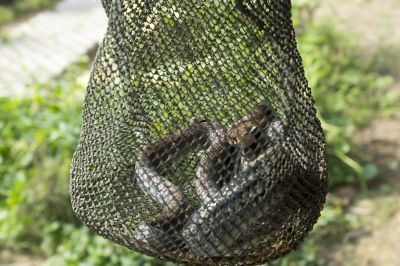
When evaluating wildlife removal services, it is important to consider the experience of local contractors with similar projects. A provider who has handled wildlife removal in residential settings can better anticipate common challenges and tailor their approach accordingly. Homeowners should inquire about the types of wildlife the service provider has managed in the past and whether they have successfully addressed issues similar to their own. This background can provide insight into the contractor’s familiarity with effective strategies and their ability to handle the specific circumstances of the property.
Clear written expectations are vital when comparing wildlife removal services. Pros who provide detailed, upfront descriptions of what the process entails help ensure there are no surprises along the way. Homeowners should look for providers who outline the scope of work, including inspection procedures, removal methods, and follow-up steps. Having this information in writing allows for better understanding of what to anticipate during the service and helps in making an informed decision about which local contractor aligns with the homeowner’s needs.
Reputable references and strong communication are key factors when selecting wildlife removal professionals. Service providers who can offer references from previous clients demonstrate transparency and confidence in their work. Additionally, good communication throughout the process-such as responsiveness to questions and clarity in explaining procedures-can make the experience smoother. Homeowners should prioritize contractors who listen carefully, address concerns thoroughly, and maintain open dialogue, ensuring that expectations are aligned and that the process of wildlife removal proceeds with mutual understanding.
Property owners often search for what to expect during professional wildlife removal service when they are planning practical projects around their homes and businesses. Local pros provide Wildlife Removal services for everyday jobs and straightforward project options.
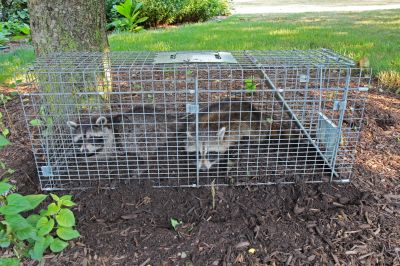
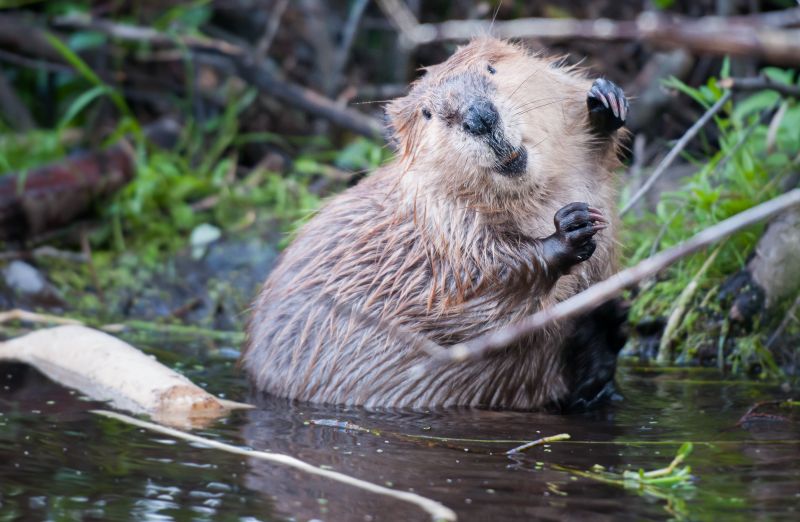
During professional wildlife removal service, property owners can typically expect a thorough assessment of the affected areas. Local contractors will inspect the property to identify the species involved, entry points, and any signs of ongoing activity. This initial step helps determine the most appropriate removal methods and ensures that the process addresses the root cause of the issue. Homeowners often find this stage reassuring, as it provides clarity about what needs to be done and sets the foundation for a safe, humane removal process.
Once the assessment is complete, wildlife removal services generally involve humane trapping or exclusion techniques to safely remove animals from the property. Service providers will then focus on sealing entry points and making structural repairs to prevent future intrusions. Property owners might notice that the process can involve some minor disturbances, such as noise or access to certain areas, but these are typically temporary. Overall, professional wildlife removal aims to resolve the problem efficiently while minimizing impact on the property and ensuring the animals are handled responsibly.
What should I expect during professional wildlife removal service? During the service, local contractors typically perform an inspection to identify the wildlife and entry points, followed by humane removal methods. They may also seal entry points to prevent future infestations and clean affected areas as needed.
Will the wildlife removal process be disruptive? The process is generally designed to be as unobtrusive as possible. Local service providers aim to minimize disturbance by scheduling work efficiently and using methods that reduce noise and mess.
Are there any specific steps involved after wildlife removal? After removal, local pros often focus on sealing entry points, removing debris or droppings, and advising on measures to prevent future wildlife visits. Some may also offer cleanup or exclusion services.
How do wildlife removal services ensure humane treatment of animals? Local contractors typically use humane techniques to remove wildlife, prioritizing safe and ethical methods that avoid harming the animals during the process.
What kind of areas do wildlife removal services typically address? These services commonly handle attics, walls, chimneys, and other structures where wildlife may gain access or nest, ensuring comprehensive removal and exclusion from the property.
Initial Inspection - Local contractors will assess the property to identify wildlife entry points and nesting areas, helping property owners understand the scope of the removal needed.
Safe Wildlife Handling - Wildlife removal services involve humane techniques to capture and relocate animals, ensuring safety for both the animals and the property.
Exclusion and Repairs - Pros will recommend and implement exclusion methods to block animals from returning, which property owners can apply to prevent future issues.
Cleanup and Prevention Advice - After removal, experts provide guidance on cleaning affected areas and preventing wildlife from re-entering, supporting ongoing property protection.
If you are thinking about what to expect during professional wildlife removal service for a property, this guide is meant to help you understand this topic, the typical project types, and how different options might fit your plans.
When you are ready, you can use the quote form on this page to share a few details about your project. From there, local pros can review the basics and follow up with options that match what you have in mind.