How Small Animals Impact Commercial Buildings and Business Operations
Commercial small animal removal experts help businesses protect their buildings and operations by safely removing pests like rodents, raccoons, and squirrels that can cause damage and disruptions.
Understanding how small animals impact commercial buildings and business operations is essential for property owners looking to maintain a safe and efficient environment. Small animals such as rodents, birds, and other wildlife can cause significant disruptions, including structural damage, contamination, and health risks that may affect daily operations. Exploring this topic can help property owners identify potential issues early and take proactive steps to minimize disruptions, ensuring that their buildings remain functional and compliant with safety standards.
For those in the local area managing commercial properties, connecting with experienced service providers who specialize in small animal removal can be a practical solution. These local contractors understand the unique challenges that small animals pose to various types of buildings and can implement effective removal and prevention strategies. Continuing to read can provide valuable insights into how addressing small animal presence not only protects the property but also supports smooth business operations over the long term.
- Commercial building inspections - local contractors assess signs of small animal activity to determine the extent of infestation and recommend removal strategies.
- Exclusion services - businesses experiencing ongoing small animal entry issues rely on local service providers to secure building openings and prevent future access.
- Sanitation and cleanup - after small animals are removed, local pros handle cleanup to eliminate odors and prevent contamination that could disrupt operations.
- Damage repair - commercial properties with structural or electrical damage caused by small animals seek local contractors to restore safety and functionality.
- Preventive maintenance - business owners concerned about recurring issues partner with local pros to implement ongoing measures that deter small animals from returning.
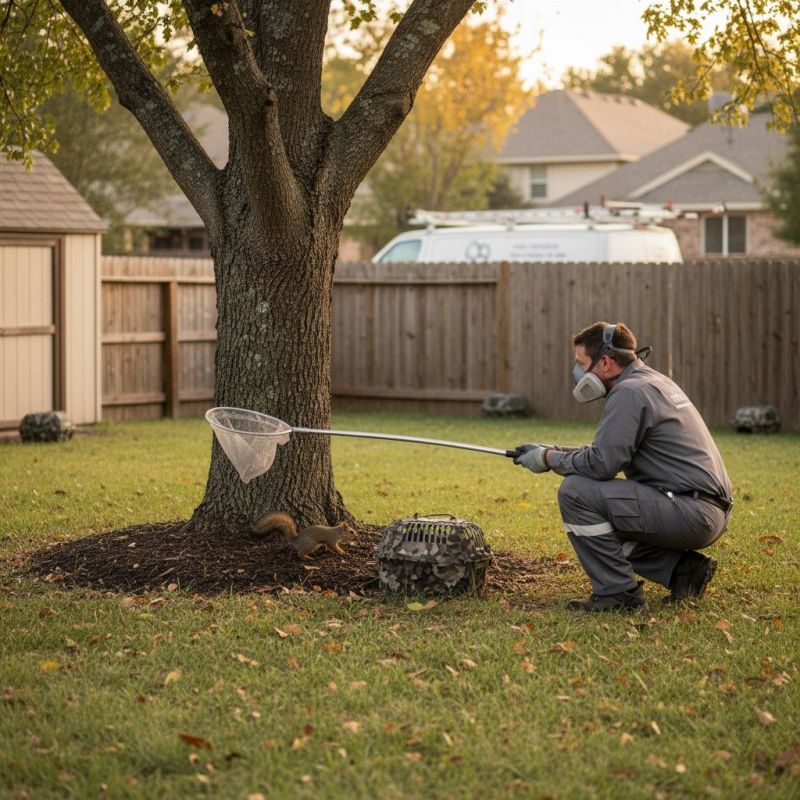
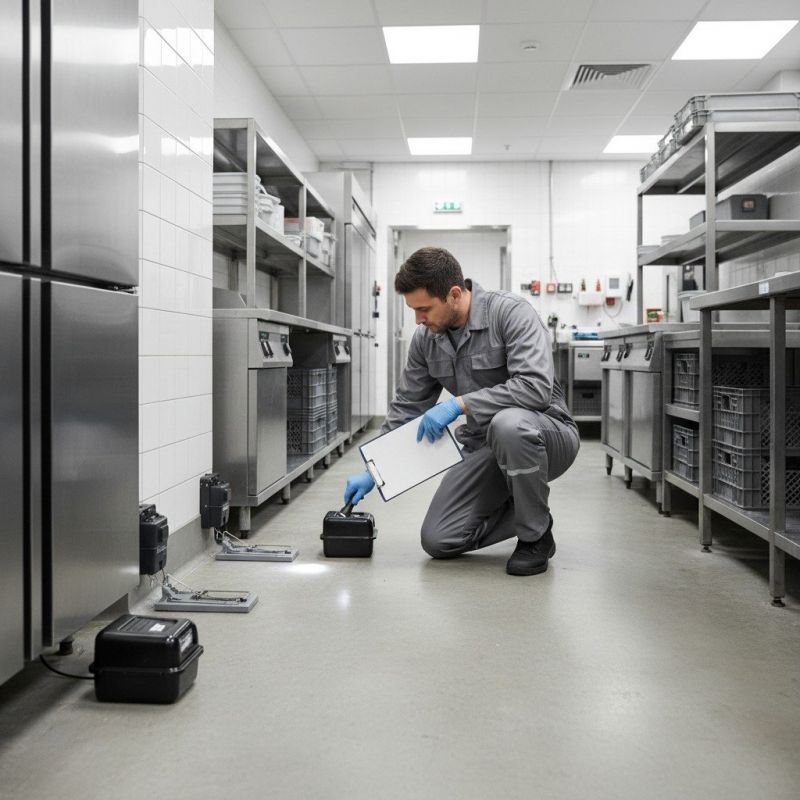
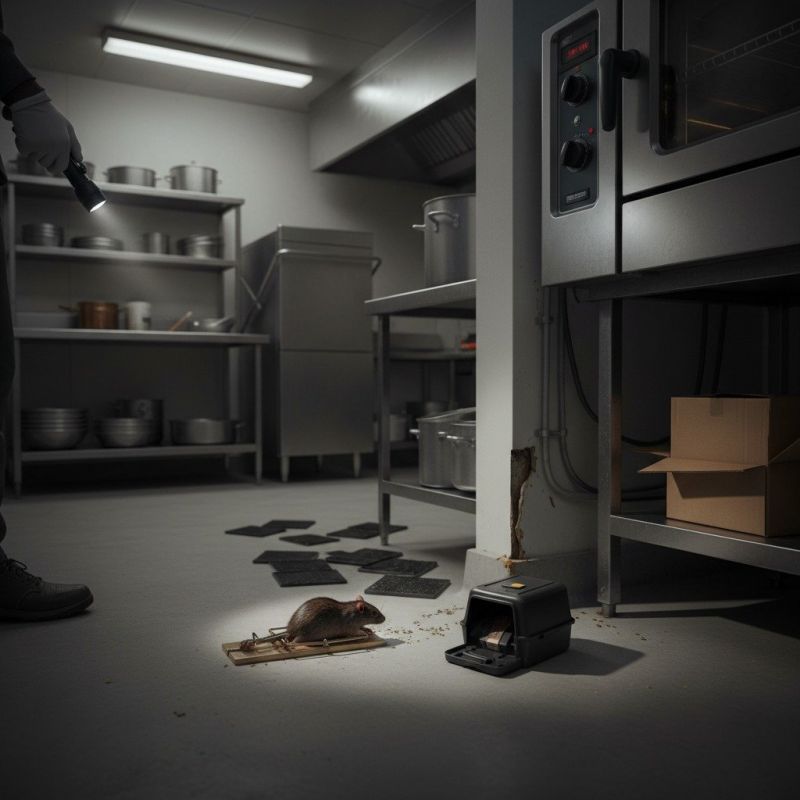
When people search for how small animals impact commercial buildings and business operations, they often want to understand the potential risks and disruptions caused by rodents, birds, or other small creatures inhabiting their properties. These searches typically stem from concerns about property damage, health hazards, and operational interruptions. Small animals can cause structural issues by gnawing on wiring, insulation, or building materials, which can lead to costly repairs or even fire hazards. Additionally, the presence of animals or their droppings can create unsanitary conditions, increasing the risk of disease transmission to employees, clients, or visitors. Understanding these impacts helps business owners and property managers recognize the importance of timely removal and prevention measures.
This topic is closely related to planning for property maintenance, pest management strategies, and ensuring a safe environment for staff and customers. Small animals often seek shelter in attics, wall voids, or storage areas, where they can establish nests undetected. Their presence can result in unpleasant odors, noise disturbances, and contamination of food or inventory. For businesses that rely on cleanliness and safety standards, such disruptions can affect operations and reputation. Addressing these issues often involves evaluating the property’s vulnerability to animal intrusion and implementing exclusion or removal services. Local service providers specializing in small animal removal are equipped to handle these situations efficiently, helping businesses minimize downtime and safeguard their premises.
Certain types of properties are more prone to issues with small animals, particularly those with easy access points or ample hiding spots. Commercial buildings such as warehouses, retail stores, office complexes, and industrial facilities frequently encounter these problems. Buildings with large roof spaces, open loading docks, or poorly sealed entry points can attract rodents and birds seeking shelter or nesting sites. Storage facilities with accessible attics or crawl spaces are also vulnerable. These properties often require ongoing monitoring and preventative measures to avoid infestations. Engaging with experienced local contractors ensures that the property is properly inspected, and appropriate exclusion or removal strategies are implemented to prevent future problems.
For property owners and managers, understanding how small animals impact commercial buildings and business operations highlights the importance of professional intervention. Local service providers specializing in small animal removal can assess the specific vulnerabilities of a property, identify existing issues, and carry out humane and effective removal processes. They also offer advice on exclusion techniques to prevent re-entry, reducing the likelihood of recurring problems. By working with knowledgeable contractors, businesses can maintain a safe, clean environment that supports smooth operations and protects their investments. Recognizing the role of small animal control in overall property management is essential for minimizing disruptions and maintaining a professional, pest-free space.
Commercial Building Inspection Projects - professionals conducting building inspections to identify structural vulnerabilities caused by small animals, similar to identifying entry points for pest control services.
Wildlife Exclusion and Prevention Projects - contractors specializing in sealing entry points and preventing animal access, closely related to small animal removal and exclusion efforts in commercial settings.
Structural Damage Repair Projects - projects focused on repairing damage caused by small animals, requiring planning and skills similar to those needed for effective animal removal and property restoration.
Rodent Control and Management Services - services targeting rodent populations in commercial buildings, sharing techniques and planning strategies with small animal removal specialists.
Pest Proofing and Sealant Application Projects - projects involving sealing cracks and openings to prevent animal intrusion, aligning with the planning and tools used in small animal exclusion work.
Commercial Wildlife Habitat Modification - projects that modify building surroundings to reduce attractants for small animals, paralleling the environmental considerations in animal removal services.
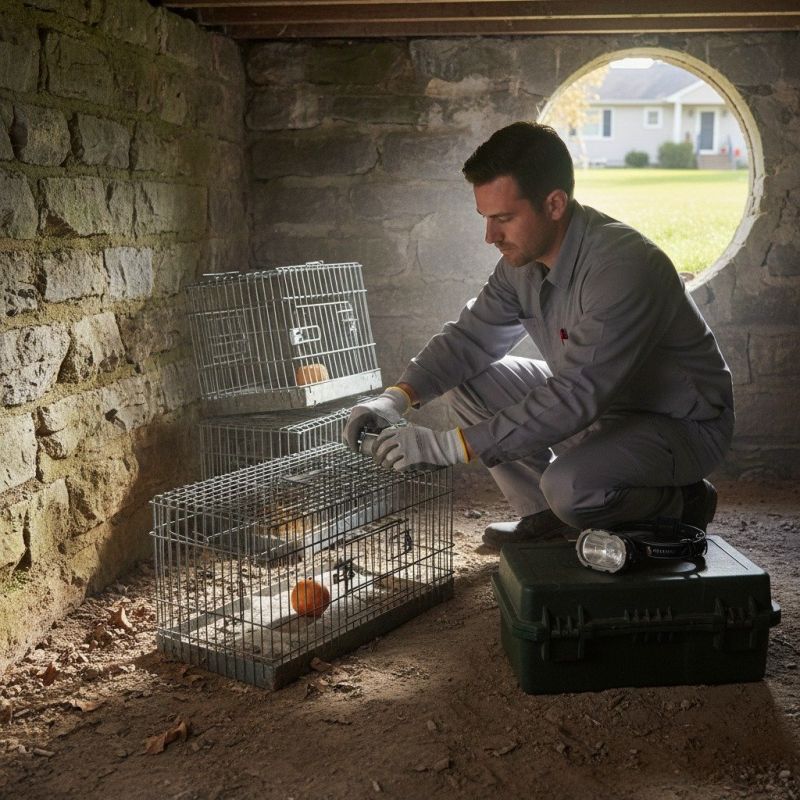
When comparing service providers for commercial small animal removal, it’s important to consider their experience with similar projects. A contractor’s background in handling small animals in commercial settings can provide insight into their familiarity with the unique challenges that such situations present. Homeowners should look for providers who have a proven track record of successfully addressing issues involving small animals impacting buildings and business operations, as this experience often correlates with a more efficient and effective removal process.
Clear and detailed written expectations are essential when evaluating different service providers. Reputable local contractors should be able to communicate what their removal process entails, what measures they will take to prevent future infestations, and how they handle the cleanup and restoration of affected areas. Having this information in writing helps ensure that both parties are aligned on the scope of work and reduces misunderstandings. It also provides a basis for comparison between providers, making it easier to identify those who are transparent and thorough in their communication.
Lastly, reputable references and good communication practices are key factors to consider. Service providers who can provide references from previous commercial clients demonstrate their ability to deliver consistent results. Good communication throughout the process - including prompt responses to questions and clear updates - reflects professionalism and reliability. When choosing a local contractor for small animal removal, these qualities can help ensure that the project proceeds smoothly and that any concerns are addressed promptly, ultimately supporting the ongoing safety and operation of the business.
Property owners often search for how small animals impact commercial buildings and business operations when they are planning practical projects around their homes and businesses. Local pros provide Commercial Small Animal Removal services for everyday jobs and straightforward project options.
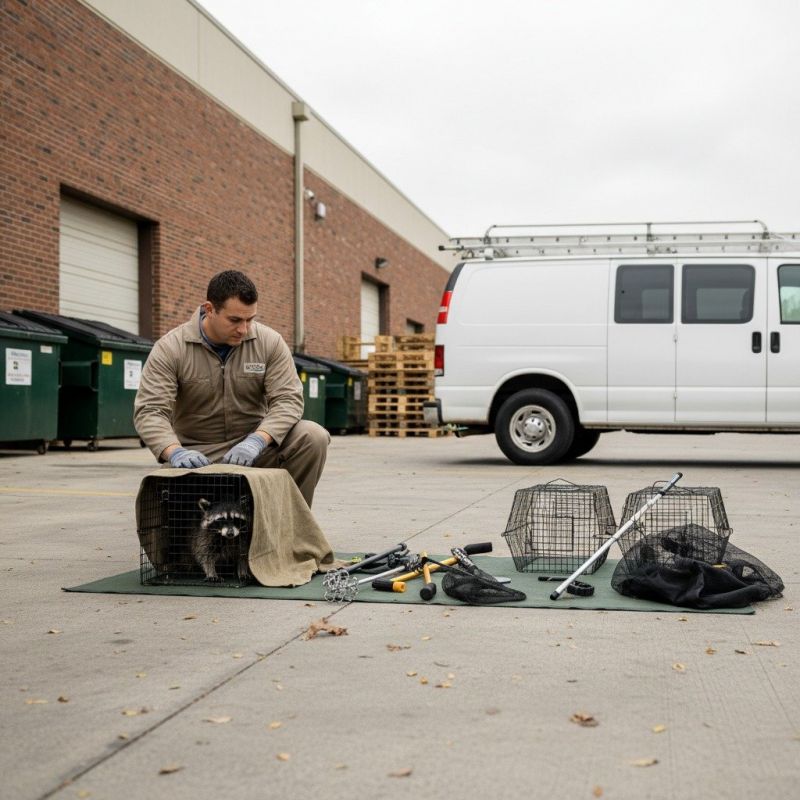
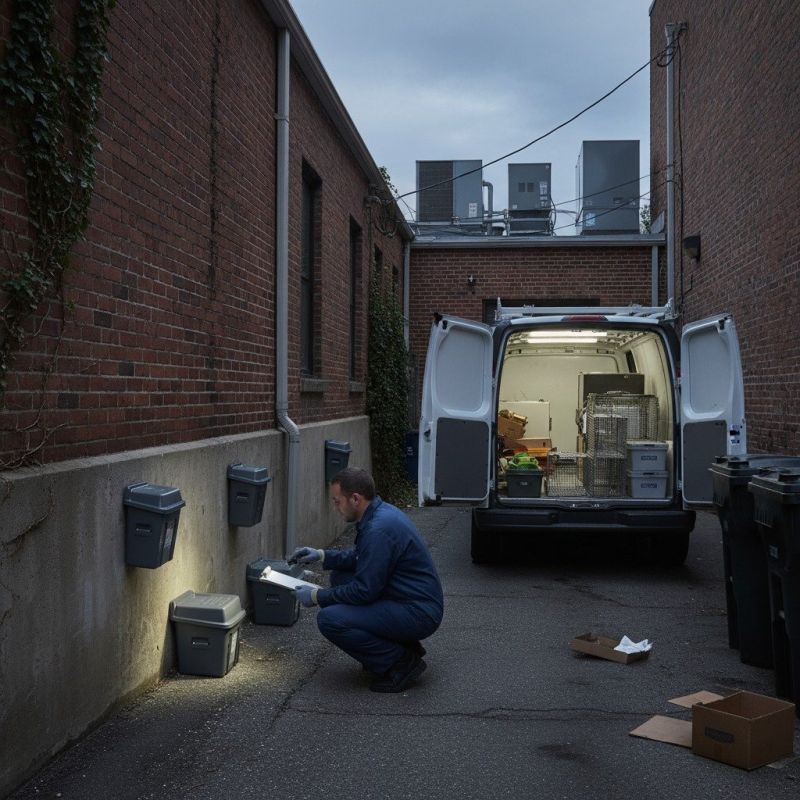
Small animals such as rodents, birds, and insects can cause significant disruptions to commercial buildings and business operations. Their presence often leads to damage in insulation, wiring, and structural components, which can result in costly repairs and potential safety hazards. Additionally, infestations may lead to unpleasant odors and the spread of diseases, creating an uncomfortable environment for employees and customers alike. Property owners in the area frequently seek out commercial small animal removal services to address these issues promptly and effectively, helping to maintain a safe and functional workspace.
In many cases, small animals can find their way into buildings through gaps, vents, or damaged areas, especially in older or poorly maintained properties. Their activity can interfere with daily operations, cause noise disturbances, and even compromise food storage or production areas. Recognizing these risks, property owners often turn to local contractors experienced in small animal removal to ensure the problem is handled humanely and thoroughly. These service providers can help prevent further damage and minimize business interruptions, making their expertise a valuable resource for maintaining a secure commercial environment.
How can small animals affect the structural integrity of commercial buildings? Small animals such as rodents and birds can cause damage to insulation, wiring, and building materials, potentially leading to costly repairs and compromised safety in commercial properties.
In what ways do small animals disrupt business operations? Small animals may create noise, droppings, and infestations that can interfere with daily activities, reduce productivity, and impact customer perception of a business environment.
Why is it important to address small animal presence promptly in commercial spaces? Prompt removal helps prevent further damage, reduces health risks associated with droppings and nesting materials, and minimizes the potential for larger infestations that can be more difficult to manage later.
What kinds of damage can small animals cause to electrical systems in commercial buildings? Small animals can chew on wiring and electrical components, increasing the risk of short circuits, outages, and even fire hazards within the building.
How do local service providers assist in managing small animal impacts on commercial properties? Local contractors specialize in humane removal and exclusion techniques to eliminate small animals, helping to protect building integrity and maintain smooth business operations.
Identify entry points - property owners can work with local contractors to inspect and seal gaps that small animals use to access buildings, preventing future infestations.
Implement ongoing monitoring - setting up regular inspections helps detect early signs of small animal activity, allowing for prompt removal by local pros.
Remove attractants - removing food sources, debris, and nesting materials around commercial properties reduces the likelihood of small animals impacting operations.
Establish exclusion strategies - applying professional exclusion methods ensures small animals cannot re-enter, maintaining a secure building environment.
If you are thinking about how small animals impact commercial buildings and business operations for a property, this guide is meant to help you understand this topic, the typical project types, and how different options might fit your plans.
When you are ready, you can use the quote form on this page to share a few details about your project. From there, local pros can review the basics and follow up with options that match what you have in mind.