Preventing Future Wildlife Intrusions After Professional Removal
To prevent future wildlife intrusions after professional removal, local contractors can install barriers and secure entry points to keep animals out effectively.
If you've recently had wildlife removed from your property, it’s natural to want to prevent future intrusions and protect your space. Property owners in the area often find that addressing the root causes of wildlife entry, such as openings or vulnerabilities, is essential for long-term peace of mind. Understanding the practical steps involved in wildlife intrusion prevention can help ensure that animals don’t return, saving time and effort down the line. Local contractors who specialize in wildlife intrusion prevention can assess your property’s unique needs and recommend effective solutions tailored to your situation.
Exploring preventative measures after professional wildlife removal is a wise move for anyone looking to safeguard their home or business. From sealing entry points to installing barriers, these steps are crucial in maintaining a wildlife-free environment. Connecting with experienced service providers in the area can make the process smoother and more effective, as they bring local knowledge and proven techniques to the task. Keep reading to learn more about how professional wildlife intrusion prevention services can help protect your property from future wildlife visits.
- Exclusion work - homeowners seeking to prevent future wildlife intrusions after professional removal often need effective exclusion solutions, which local contractors approach by sealing entry points and installing barriers.
- Structural repairs - after wildlife removal, addressing damage to roofs, vents, or siding is essential, and local pros typically perform repairs to block wildlife access points.
- Attic sealing - preventing future wildlife intrusions after professional removal involves sealing attic openings, with local service providers using specialized materials to ensure a tight fit.
- Venting and chimney cap installation - to avoid repeat intrusions, local contractors often install vent covers and chimney caps as part of a comprehensive prevention plan.
- Habitat modification - reducing attractants around a property helps prevent future wildlife intrusions after removal, with local pros advising on landscaping and habitat adjustments.
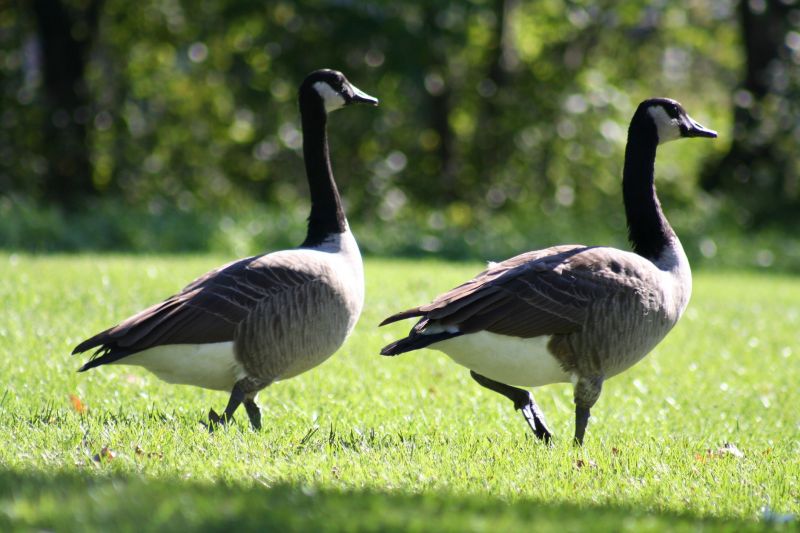
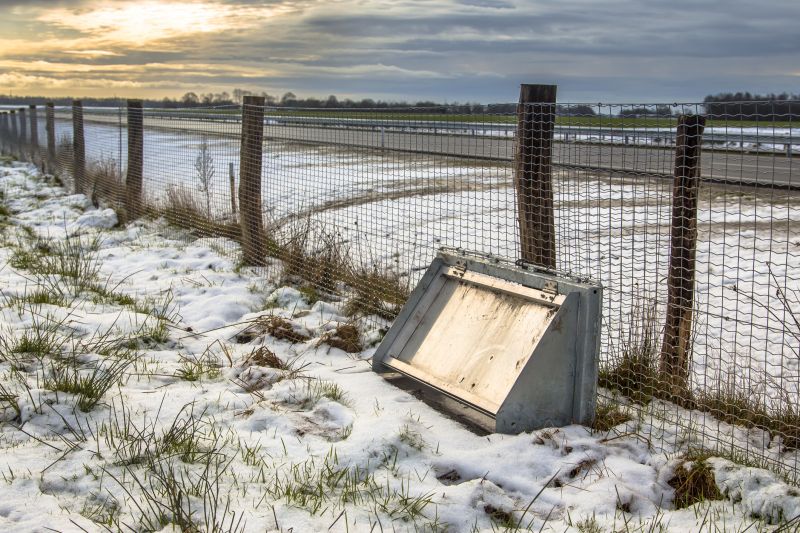
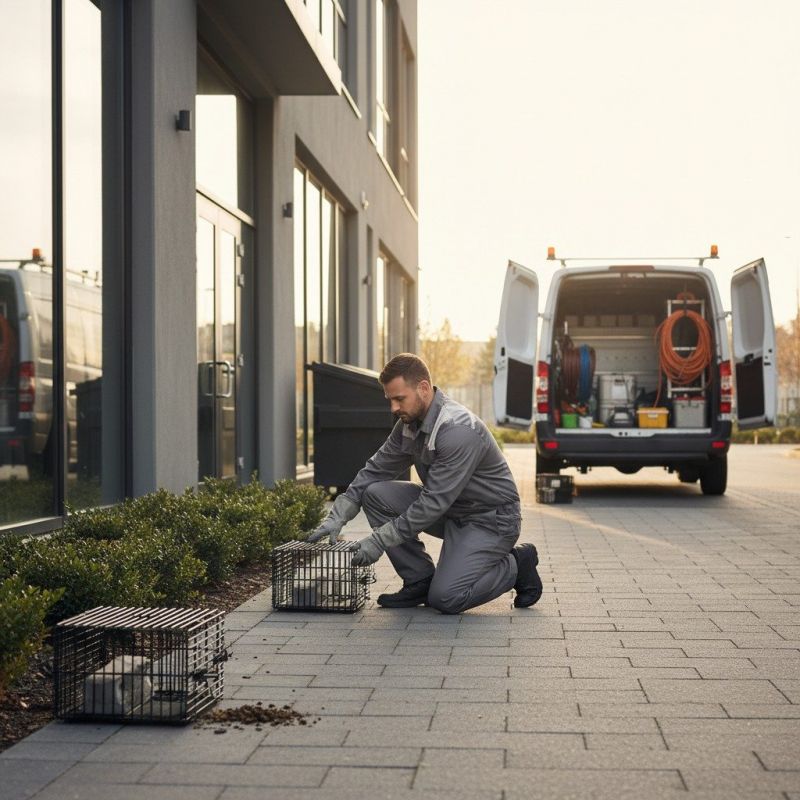
When people search for preventing future wildlife intrusions after professional removal, they are typically looking for ways to ensure that animals do not return to the same property after an initial removal has been completed. This concern often arises following situations where wildlife-such as raccoons, squirrels, bats, or birds-have entered homes, attics, or other structures, causing damage or creating health risks. Property owners want effective solutions that not only eliminate the current problem but also prevent similar issues from happening again. The focus is on implementing barriers or modifications that deter animals from re-entering, reducing the likelihood of recurring infestations and the associated costs or disruptions.
This topic relates to a range of problems and plans that involve both addressing existing wildlife issues and establishing long-term prevention strategies. Many property owners seek advice after experiencing damage to roofs, vents, chimneys, or siding, which can serve as entry points for wildlife. They may also be concerned about the health risks posed by animal droppings or nesting materials left behind. The plans often include professional removal of the animals, followed by sealing entry points, installing deterrents, or making structural modifications. The goal is to create a barrier that animals cannot breach, ensuring that the property remains wildlife-proof over time.
The types of properties involved in preventing future wildlife intrusions after professional removal commonly include residential homes, especially those with attics or basements, as well as barns, sheds, and other outbuildings. Single-family houses are the most frequent, given their proximity to nature and potential entry points. However, commercial properties with similar structural features, such as warehouses or retail spaces with large vents or roof access points, may also be affected. In all cases, the focus is on identifying vulnerable areas that animals might exploit to re-enter the property and then working with local service providers to implement effective prevention measures.
Local wildlife intrusion prevention service providers play a crucial role in helping property owners develop and implement tailored solutions. These professionals can assess a property’s specific vulnerabilities, recommend appropriate exclusion methods, and install barriers or deterrents designed to keep animals out permanently. Their expertise ensures that the prevention measures are both effective and durable, reducing the risk of future wildlife issues. Engaging with experienced local contractors provides property owners with peace of mind, knowing that the solutions are suited to their particular property and wildlife challenges, helping to maintain a safe and animal-free environment over the long term.
Gutter and Roof Repair - local contractors skilled in sealing entry points and repairing damage that can attract wildlife, helping to prevent future intrusions after removal.
Venting and Chimney Cap Installation - professionals who can install or upgrade vents and chimney caps to block common wildlife access points and reduce the risk of future invasions.
Exterior Sealant Application - service providers experienced in applying sealants around windows, doors, and foundation cracks to create a barrier against wildlife entry.
Fence and Barrier Installation - local pros who can build or reinforce fences and barriers to deter wildlife from re-entering the property after removal.
Attic and Crawl Space Encapsulation - experts who can seal and insulate these areas, eliminating potential nesting sites and entry points for wildlife.
Structural Damage Repair - service providers capable of addressing damage caused by wildlife, ensuring structures are secure and less inviting for future intrusions.
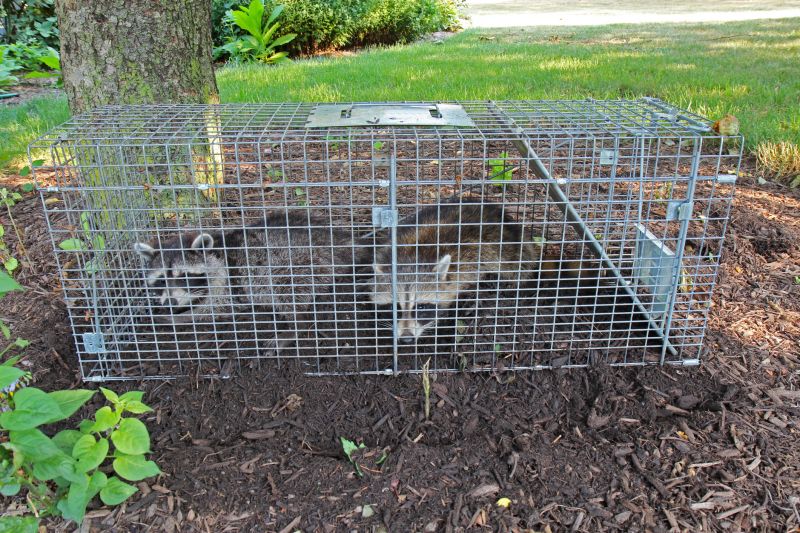
When comparing local contractors for wildlife intrusion prevention services, it is important to consider their experience with similar projects. A service provider with a proven track record in preventing wildlife from re-entering properties after removal can offer valuable insights into effective strategies and solutions. Homeowners should inquire about the types of wildlife they have handled and the methods used to ensure that the prevention measures are appropriate for their specific situation. This helps to gauge whether the contractor has the practical knowledge needed to address the unique challenges of preventing future intrusions.
Clear, written expectations are essential when evaluating potential service providers. A reputable local contractor should be able to provide detailed descriptions of the scope of work involved in wildlife intrusion prevention, including the specific steps they will take to seal entry points and secure vulnerable areas. Having this information in writing helps ensure that both parties are aligned on what will be done, reducing misunderstandings and providing a basis for accountability. Homeowners should seek out providers who are transparent about their process and willing to outline what is included and what is not.
Reputable references and good communication are key indicators of a dependable service provider. Asking for references from previous clients who had similar wildlife intrusion prevention needs can provide insights into the contractor’s reliability and effectiveness. Additionally, a service provider who communicates clearly and promptly can make the process smoother and more straightforward for homeowners. Open lines of communication allow for questions to be answered thoroughly and concerns to be addressed early, helping to build confidence in the contractor’s ability to deliver quality results in preventing future wildlife intrusions after professional removal.
Property owners often search for preventing future wildlife intrusions after professional removal when they are planning practical projects around their homes and businesses. Local pros provide Wildlife Intrusion Prevention services for everyday jobs and straightforward project options.
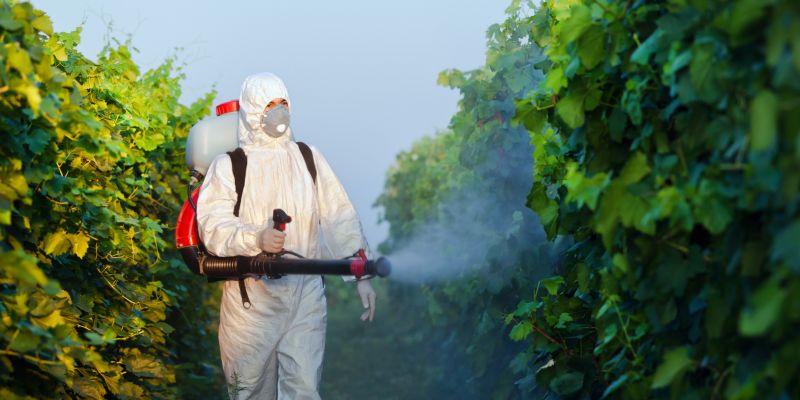
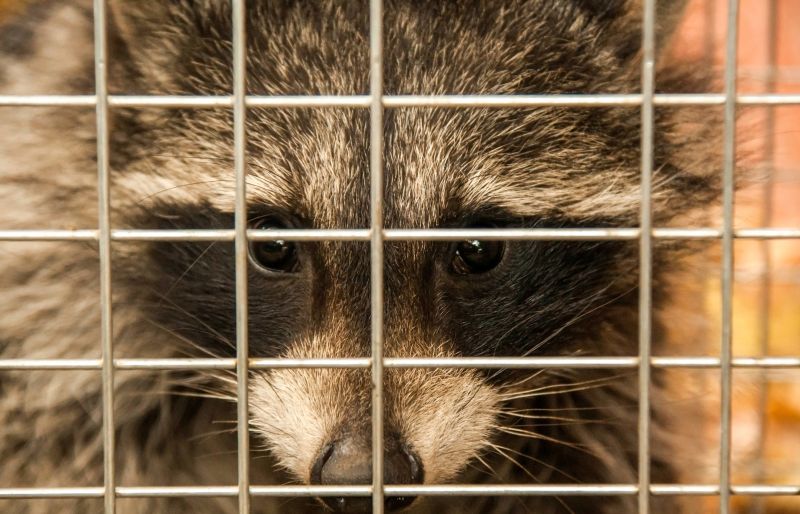
After wildlife removal, property owners often seek simple, effective ways to prevent future intrusions and protect their homes. Common concerns include identifying potential entry points, such as gaps in roofs or vents, and ensuring these are properly sealed or repaired. Local contractors who specialize in wildlife prevention can assess the property, recommend practical solutions, and help install barriers that deter animals from returning, reducing the risk of recurring issues.
Many people look into wildlife intrusion prevention services after experiencing repeated visits from critters or noticing signs of animal activity. Small gaps or damaged areas can quickly become access points for wildlife, making ongoing prevention essential. Local service providers can offer straightforward fixes-like installing mesh or sealing openings-that help keep unwanted animals out and provide peace of mind. Connecting with experienced professionals ensures that the property is better protected against future wildlife intrusions.
What are effective methods for preventing future wildlife intrusions after professional removal? Local contractors often recommend sealing entry points, installing barriers, and implementing habitat modifications to reduce the chances of wildlife returning.
How can I identify potential entry points around my property? Wildlife prevention specialists suggest inspecting the exterior for gaps, holes, or damaged areas in siding, vents, and foundations that could serve as access points.
Are there specific materials that work best for wildlife-proofing a property? Many service providers utilize durable, wildlife-resistant materials such as heavy-duty mesh, metal flashing, and sealants designed to withstand animal attempts to re-enter.
What maintenance practices help ensure wildlife does not return after removal? Regular inspections, prompt repairs of any new damage, and keeping potential nesting sites clear can help prevent future intrusions.
Can local wildlife prevention services provide ongoing monitoring? Yes, many professionals offer follow-up inspections and maintenance plans to ensure that wildlife intrusions do not recur over time.
Seal Entry Points - Identifying and sealing gaps, vents, and holes helps prevent wildlife from re-entering after removal services are completed. Local contractors can assist with properly closing these access points to ensure long-term protection.
Install Wildlife-Proof Barriers - Installing mesh screens, chimney caps, and other barriers can block common entry spots and deter future intrusions. Service providers can recommend and install effective barriers suited to the property’s needs.
Maintain Landscaping and Vegetation - Trimming trees, shrubs, and removing debris near the building reduces habitat attractants and access points for wildlife. Professionals can advise on landscaping practices that minimize intrusion risks.
Schedule Regular Inspections - Periodic inspections by local contractors help identify new vulnerabilities early and ensure existing barriers remain effective. Ongoing monitoring supports the prevention of future wildlife intrusions.
If you are thinking about preventing future wildlife intrusions after professional removal for a property, this guide is meant to help you understand this topic, the typical project types, and how different options might fit your plans.
When you are ready, you can use the quote form on this page to share a few details about your project. From there, local pros can review the basics and follow up with options that match what you have in mind.