When DIY Wildlife Removal Becomes Risky and Professional Help Is Needed
When DIY wildlife removal becomes risky and professional help is needed, local service providers can safely and effectively handle humane removal and exclusion.
Many property owners in the area find themselves facing wildlife issues that seem manageable at first, but can quickly become dangerous if not handled properly. DIY wildlife removal might appear straightforward, but attempting to address these situations without the right experience can lead to unexpected risks, including injury or further property damage. Recognizing when a situation exceeds basic removal skills is crucial, and local contractors are equipped to evaluate the complexity of each case, ensuring that wildlife is handled humanely and safely.
For those who value peace of mind and want to avoid potential hazards, exploring professional wildlife removal services can be a practical choice. Skilled service providers understand the behaviors of different animals and the importance of effective exclusion methods, making them a reliable resource when DIY efforts become risky. By connecting with experienced local contractors, property owners can ensure that wildlife issues are resolved efficiently and responsibly, helping to protect both their property and personal safety.
- Attic Wildlife Removal - when wildlife has nested in attics and DIY methods risk damaging insulation or spreading pests, local contractors can safely remove animals and secure entry points.
- Garage Wildlife Control - if animals are trapped inside garages and attempts to free them could cause injury or property damage, professionals can handle the removal efficiently.
- Roof Wildlife Exclusion - when animals have entered through roof vents or gaps, local experts use specialized techniques to prevent re-entry without risking structural damage.
- Basement Wildlife Removal - if wildlife has taken refuge in basements and DIY efforts threaten to cause mold or structural issues, experienced service providers can manage the situation properly.
- Wildlife Damage Repairs - when removal efforts reveal structural or wiring damage, local pros can perform repairs safely, avoiding the risks associated with DIY fixes.
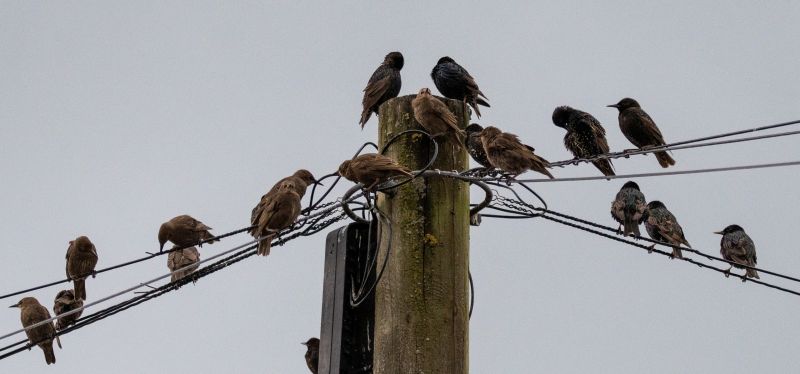
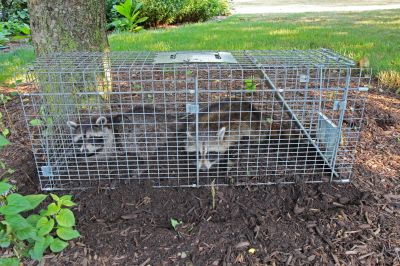
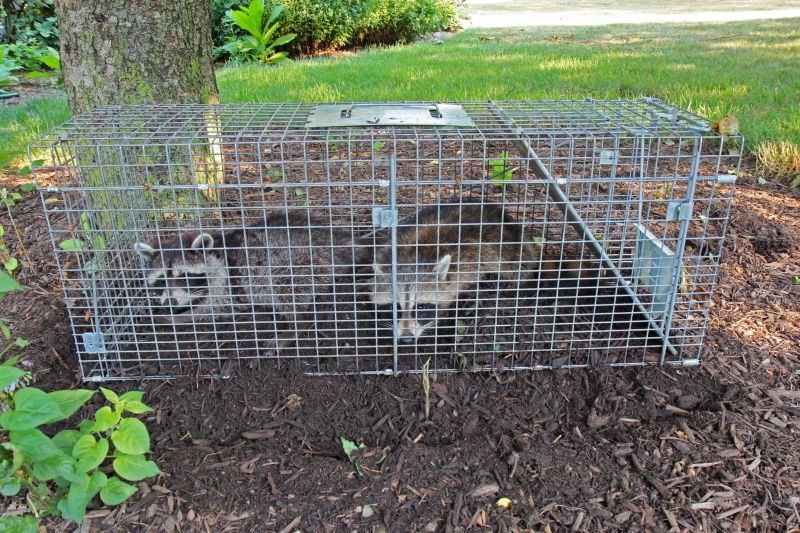
When homeowners search for information about when DIY wildlife removal becomes risky and professional help is needed, they are often trying to understand the limits of handling nuisance animals on their own. Many people encounter situations where animals such as raccoons, squirrels, bats, or birds have taken up residence in or around their property. While some minor issues might seem manageable, others quickly escalate into more complex problems that require a deeper understanding of animal behavior and proper removal techniques. This topic typically relates to plans for humane eviction, property protection, and ensuring health safety, especially when wildlife has penetrated attic spaces, chimneys, or wall cavities. Recognizing the signs that a situation has become too risky for DIY efforts helps homeowners decide when to seek assistance from experienced service providers.
The problems associated with DIY wildlife removal often involve safety concerns and potential property damage. For example, attempting to remove a bat colony or raccoon den without proper equipment can expose homeowners to bites, scratches, or disease transmission. In addition, improper exclusion methods may lead to animals returning or becoming trapped inside walls, creating further damage and odor issues. These scenarios highlight the importance of understanding animal habits and the correct procedures to prevent injury and ensure effective removal. Homeowners may also have plans to prevent future invasions, which require knowledge of entry points and structural vulnerabilities. When these problems become more complicated than anticipated, it indicates that professional wildlife removal services are better equipped to handle the situation safely and thoroughly.
Certain types of properties are more prone to wildlife issues that can turn risky for DIY efforts. Attics and roof spaces are common targets for raccoons, squirrels, and bats, while chimneys can attract birds or bats seeking shelter. Commercial buildings, sheds, and garages also frequently become nesting sites for various animals. These properties often have structural features that make animal access easier but also more difficult to repair without proper experience. The presence of insulation, wiring, or stored items can complicate removal efforts and increase the risk of accidental damage or animal entrapment. Recognizing the property types most affected by wildlife problems helps homeowners understand when the complexity of the project warrants professional intervention.
Knowing when DIY wildlife removal becomes risky and professional help is needed involves assessing both the nature of the animal problem and the property involved. If animals are visibly nesting in hard-to-reach areas, or if attempts at removal have failed or caused animals to become more aggressive, it’s a clear sign that expert assistance is advisable. Additionally, situations involving multiple animals, signs of disease, or structural damage should prompt homeowners to seek local service providers experienced in humane and effective wildlife control. These professionals can evaluate the specific circumstances, identify entry points, and implement removal and exclusion methods that protect both the property and the animals. Engaging with local pros ensures that wildlife issues are addressed safely and sustainably, preventing further complications or risks.
Attic insulation installation - this project involves working in confined spaces and requires careful planning, similar to wildlife removal when access and safety are concerns.
Gutter cleaning and repair - managing debris and ensuring proper drainage shares skills with wildlife exclusion efforts to prevent animal entry.
Bird nest removal and prevention - removing nests safely and ethically parallels the careful handling needed in wildlife removal to avoid harm or legal issues.
Rodent proofing and sealing - sealing entry points to prevent pests involves precise planning and tool use akin to wildlife exclusion strategies.
Pest exclusion services - blocking animals from entering structures requires similar assessment and repair skills as wildlife removal efforts.
Structural repairs and damage restoration - fixing damage caused by animals involves understanding of building components and careful planning, related to wildlife removal challenges.
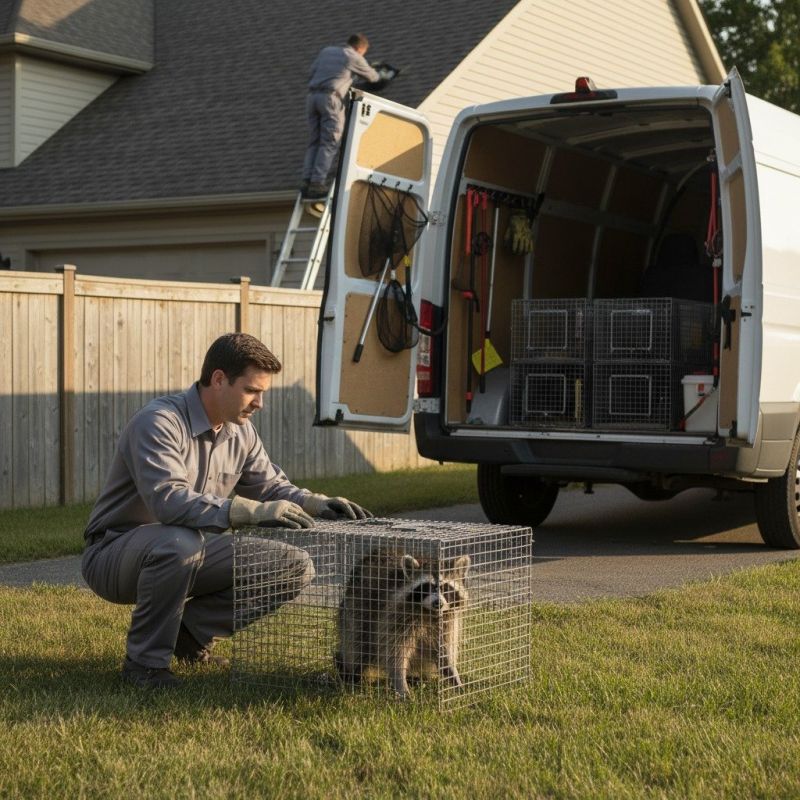
When evaluating wildlife removal services, it is important to consider the experience of the service providers with similar projects. Local contractors who have handled wildlife issues comparable to the homeowner’s situation are more likely to understand the specific challenges involved and employ effective strategies. This experience can contribute to a smoother process, minimizing potential risks associated with improper removal techniques or incomplete exclusion methods. Homeowners should inquire about the types of wildlife the service providers have worked with and their familiarity with the particular species involved in their situation.
Clear, written expectations are essential to ensure both parties have a shared understanding of the scope of work and the procedures involved. A reputable wildlife removal service will provide detailed descriptions of the steps they will take, including assessment, removal, and prevention measures. Having this information in writing helps prevent misunderstandings and ensures that the homeowner knows what to expect, especially when dealing with potentially risky wildlife removal scenarios. It also offers a point of reference if questions or concerns arise during the process.
Reliable references and effective communication are key indicators of a trustworthy service provider. Reputable local contractors should be able to provide references from previous clients who experienced similar wildlife issues. These references can offer insights into the quality of work, professionalism, and the overall experience with the service provider. Good communication throughout the process ensures that homeowners are kept informed about progress, potential concerns, and any adjustments needed. When comparing local pros, prioritizing those who demonstrate transparency and responsiveness can help ensure that the wildlife removal project is handled safely and effectively.
Property owners often search for when DIY wildlife removal becomes risky and professional help is needed when they are planning practical projects around their homes and businesses. Local pros provide Wildlife Removal services for everyday jobs and straightforward project options.
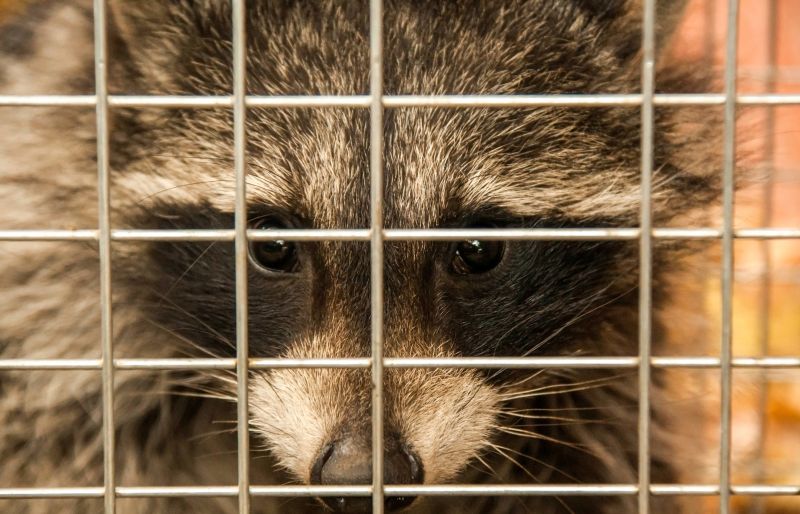
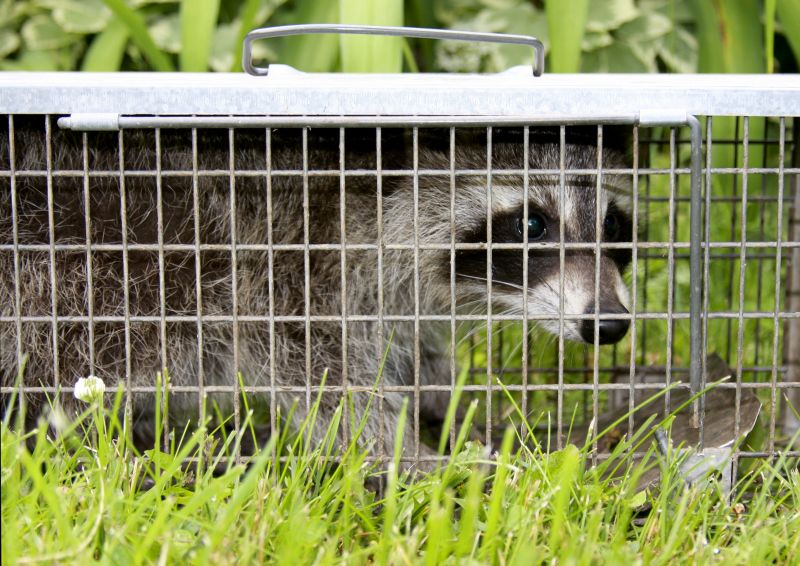
Many property owners in the area turn to DIY wildlife removal when they notice animals like raccoons, squirrels, or birds nesting in or around their homes. While small-scale efforts might seem straightforward, attempting to handle wildlife issues without professional assistance can quickly become risky, especially if the animals are difficult to access or have already caused damage. In these situations, local contractors who specialize in wildlife removal can provide the expertise needed to address the problem safely and effectively, reducing the chances of injury or further property damage.
Situations that involve animals in hard-to-reach places, signs of an ongoing infestation, or evidence of disease transmission are common reasons property owners consider professional wildlife removal services. DIY methods might not only be ineffective but could also lead to unintended consequences, such as animal injury or escape, which complicates the situation further. When property owners recognize these warning signs, connecting with experienced service providers ensures that the removal process adheres to safety standards, minimizes risks, and resolves the issue properly.
When should I consider professional wildlife removal instead of attempting DIY methods? If wildlife has entered hard-to-reach areas, shows signs of disease, or has caused significant property damage, it is advisable to seek help from local service providers who have the experience and tools to handle the situation safely.
What risks are involved with DIY wildlife removal that might require professional intervention? DIY methods can lead to injury, spread of disease, or further property damage if not performed correctly. In such cases, local contractors are better equipped to manage these risks safely and effectively.
Are there certain types of wildlife that make DIY removal more dangerous or ineffective? Yes, animals like bats, raccoons, or squirrels can be aggressive or carry diseases, making professional removal essential to ensure safety and proper exclusion from the property.
How can I identify when wildlife has caused structural or health hazards that need professional attention? Signs include persistent odors, visible droppings, chewed wiring, or animals nesting in attic spaces. Local wildlife removal experts can assess and address these hazards properly.
Why is it important to hire experienced service providers for wildlife removal rather than attempting it myself? Experienced professionals understand animal behavior, legal considerations, and proper removal techniques, reducing risks and ensuring the problem is resolved safely and thoroughly.
Assessing wildlife activity - property owners can identify signs of animal presence to determine when professional wildlife removal services are needed for safe and effective removal.
Handling entry points - DIY efforts to seal or block entry points should be approached carefully, with local contractors available to address complex or risky situations.
Dealing with injured or aggressive animals - recognizing when animals are injured or acting aggressively indicates the need for trained wildlife professionals to prevent harm.
Managing nesting sites - removing nests or debris should be done with caution, and experts can safely handle sensitive situations that pose health risks or structural damage.
If you are thinking about when DIY wildlife removal becomes risky and professional help is needed for a property, this guide is meant to help you understand this topic, the typical project types, and how different options might fit your plans.
When you are ready, you can use the quote form on this page to share a few details about your project. From there, local pros can review the basics and follow up with options that match what you have in mind.