Signs Wildlife Has Moved Into Your Attic, Walls, or Crawl Space
If signs wildlife has moved into your attic, walls, or crawl space, local contractors can identify the intrusion and safely remove the animals.
Discovering signs that wildlife has moved into your attic, walls, or crawl space can be unsettling, but recognizing these indicators early is key to addressing the situation effectively. Property owners in the area often notice strange noises, such as scratching or scurrying sounds, especially during quiet times or at night. Unusual odors, droppings, or nesting materials may also point to an animal presence. These signs not only suggest potential damage to your property but can also raise health concerns, making prompt action essential. Local service providers specializing in wildlife removal are equipped to assess these situations, safely and humanely addressing the issue while helping to prevent future intrusions.
If you suspect wildlife has taken up residence in hidden parts of your home, it’s wise to explore professional options for removal and exclusion. Experienced local contractors can identify entry points and signs of activity, providing solutions that protect your property and peace of mind. Their expertise ensures that animals are removed humanely and that your home is properly sealed to prevent re-entry. Keeping an eye out for early signs and connecting with trusted wildlife removal specialists can make a significant difference in resolving the problem efficiently and effectively.
- Attic wildlife entry points - when signs wildlife has moved into your attic, local contractors can identify and seal access points to prevent further intrusion.
- Wall cavity infestations - if you notice scratching sounds or droppings inside walls, service providers can safely remove animals and repair entry gaps.
- Crawl space activity - signs such as foul odors or animal tracks in the crawl space indicate the need for professional wildlife removal and exclusion.
- Droppings and nesting materials - the presence of droppings or nesting debris in hidden spaces prompts local experts to perform humane removal and sanitation.
- Unusual noises during quiet hours - hearing movement or scurrying sounds at night suggests wildlife has taken residence, and local pros can handle removal and prevention.
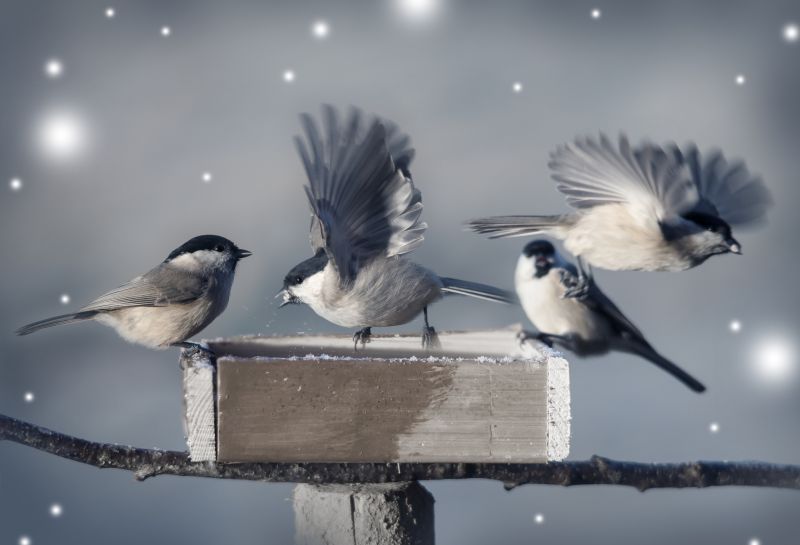
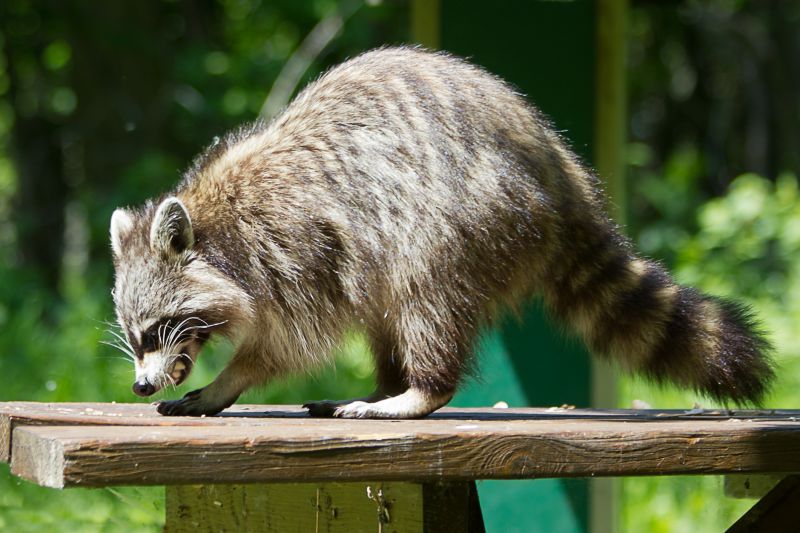
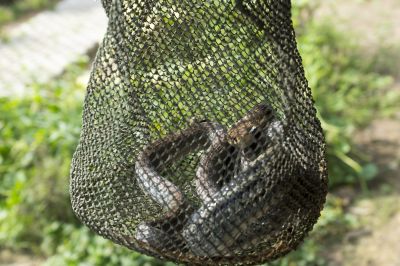
When homeowners notice unusual sounds or disturbances in their homes, they often search for signs wildlife has moved into your attic, walls, or crawl space. These signs can include scratching or scurrying noises, especially during quiet times or at night, which indicate the presence of animals like raccoons, squirrels, or bats. Visible damage such as chewed wiring, gnawed wood, or torn insulation can also point to wildlife activity. Additionally, strong odors or the sighting of droppings and nesting materials may suggest animals have taken up residence in hidden areas of the property. Recognizing these signs early helps homeowners understand that wildlife has established a presence, making it important to seek assistance from experienced service providers who specialize in removal and exclusion.
This topic relates closely to problems that arise from unwanted animal intrusion, including property damage, health risks, and disruptions to daily life. Wildlife in attics, walls, or crawl spaces can cause structural deterioration, like broken vents or chewed wiring, which might lead to costly repairs or fire hazards. The presence of animals can also introduce parasites, bacteria, or diseases, posing health concerns for residents. Many property owners plan to address these issues proactively by removing the animals and securing entry points to prevent future invasions. Engaging with local wildlife removal professionals ensures that the problem is handled humanely and effectively, with solutions tailored to the specific species involved and the property’s layout.
Properties that typically encounter wildlife in hidden spaces tend to include older homes, rural properties, and buildings with accessible attics or crawl spaces. Homes with damaged or poorly sealed vents, gaps around windows and doors, or deteriorated roofing are more vulnerable to animal entry. Structures with large trees close to the house or nearby water sources may also attract wildlife seeking shelter or food. Commercial buildings, barns, and sheds are not immune, especially if they have openings or insulation that animals can access. Understanding the types of properties most affected helps homeowners recognize the importance of regular inspections and prompt action when signs of intrusion appear, with local service providers ready to assist in removing animals and securing the property.
When signs wildlife has moved into your attic, walls, or crawl space are detected, it is crucial to involve experienced service providers who specialize in wildlife removal and exclusion. These professionals have the knowledge and tools to safely and humanely remove animals, assess the extent of the intrusion, and recommend effective measures to prevent future problems. Addressing the issue promptly can minimize property damage and health risks, while ensuring that the animals are relocated responsibly. Homeowners should consider reaching out to local contractors who can provide tailored solutions based on the specific signs observed and the type of wildlife involved. Properly managing these situations helps maintain the safety and integrity of the home, providing peace of mind for residents.
Attic Insulation Installation - Proper insulation installation can prevent wildlife from accessing attic spaces, requiring skills in planning and material handling similar to wildlife exclusion efforts.
Home Sealing and Weatherproofing - Sealing gaps and entry points to keep wildlife out involves detailed planning and the use of specialized tools, paralleling the work of wildlife removal specialists.
Pest Proofing Services - Installing barriers and deterrents to prevent animal intrusion shares techniques with wildlife exclusion, requiring careful planning and precise work.
Structural Damage Repair - Repairing damage caused by wildlife involves assessing structural integrity and using similar tools as those used in wildlife proofing projects.
Vent and Chimney Cap Installation - Installing caps and protective covers on vents and chimneys helps block animal entry points, aligning with skills used in wildlife exclusion services.
Crawl Space Encapsulation - Sealing and insulating crawl spaces to prevent animal access involves planning and sealing techniques comparable to wildlife removal preparations.
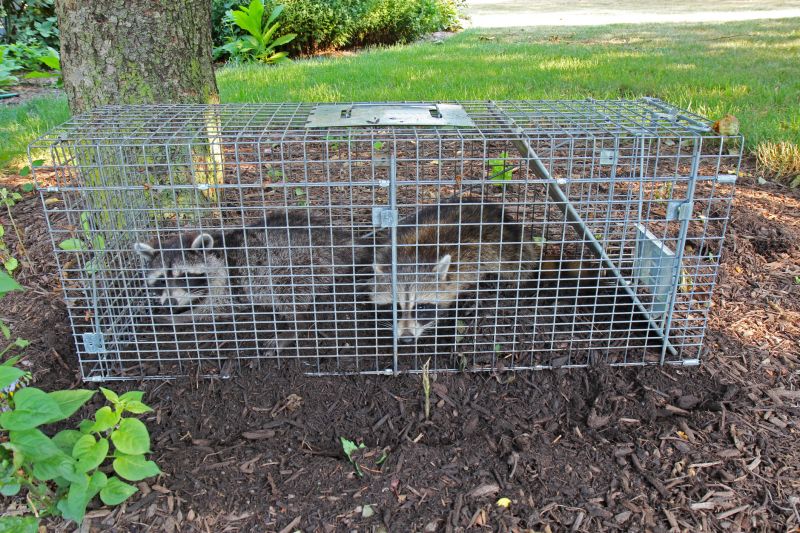
When evaluating wildlife removal services, it is important to consider the experience of local contractors with similar projects. Homeowners should inquire about how many times the service provider has handled situations involving wildlife in attics, walls, or crawl spaces. An experienced professional will be familiar with the common signs indicating wildlife presence and will understand the best methods for safely removing animals and preventing future issues. This familiarity can help ensure that the work is performed efficiently and that the unique challenges of each property are addressed appropriately.
Clear written expectations are essential when selecting a wildlife removal service. Homeowners should seek detailed information about the scope of work, including how the animals will be removed, what measures will be taken to seal entry points, and how damages or insulation issues will be handled. Having these details in writing helps prevent misunderstandings and provides a transparent framework for the project. Service providers who can clearly communicate their process and what the homeowner can expect tend to foster a more confident and informed decision-making process.
Reputable references and good communication are key factors in choosing a reliable wildlife removal contractor. Homeowners should ask for references from previous clients who experienced similar wildlife issues. Contacting these references can provide insights into the contractor’s professionalism, punctuality, and quality of work. Additionally, responsive and clear communication during the inquiry process can indicate how well the service provider values customer questions and concerns. Reliable local contractors will prioritize keeping homeowners informed throughout the project, helping to ensure that the entire process is smooth and transparent.
Property owners often search for signs wildlife has moved into your attic, walls, or crawl space when they are planning practical projects around their homes and businesses. Local pros provide Wildlife Removal services for everyday jobs and straightforward project options.
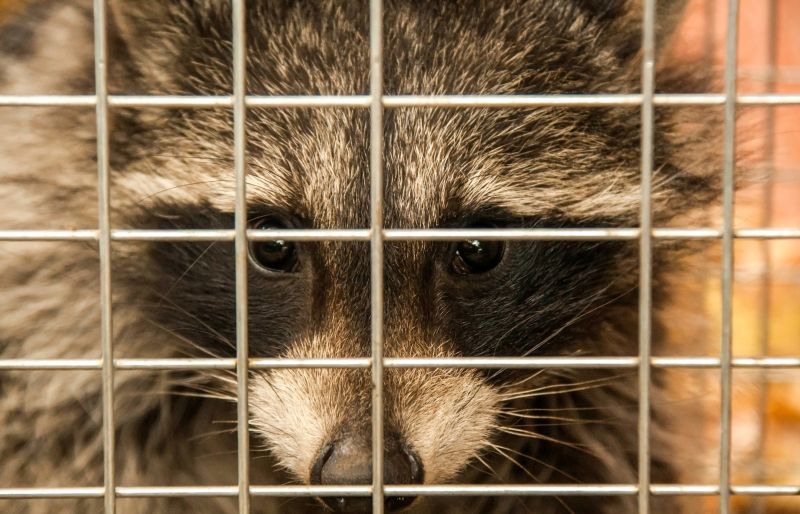
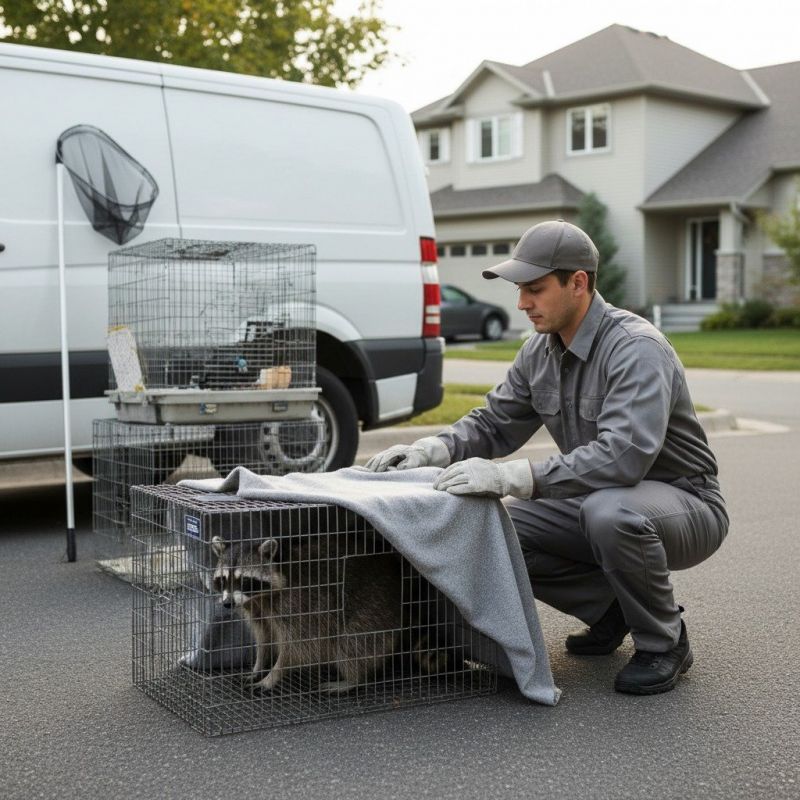
Property owners in the area often notice certain signs that wildlife has moved into their attic, walls, or crawl space. Unusual noises such as scratching, scurrying, or thumping can be common indicators, especially during evening hours when many animals are active. Additionally, visible droppings, nests, or chewed wiring may suggest that animals have taken up residence in hard-to-reach areas. These signs are usually easy to overlook at first but can become more noticeable over time, prompting homeowners to seek professional wildlife removal services to address the situation.
When signs of wildlife intrusion are detected, it’s important to consider the potential risks and damage that can occur if the animals are left unchecked. Local contractors who specialize in wildlife removal can assess the situation, safely remove any animals, and help prevent future entries. They can also identify entry points and recommend repairs to keep the property secure. Recognizing these signs early can make it easier to resolve the issue efficiently and avoid larger problems down the line.
What are common signs wildlife has moved into your attic, walls, or crawl space? Common signs include strange noises such as scratching or squeaking, visible droppings, foul odors, and damage to insulation or wiring that indicate animals have taken up residence.
How can I tell if animals are active inside my walls or attic? Indicators include hearing movement or sounds at night, noticing nests or shredded insulation, and discovering holes or entry points where animals may be entering or leaving.
What types of wildlife are typically found in attics, walls, or crawl spaces? Common wildlife includes raccoons, squirrels, bats, mice, and sometimes birds, all of which may seek shelter in these hidden areas.
Are there specific signs that suggest wildlife has caused damage in my home? Yes, signs include chewed wires, torn insulation, nesting materials, and the presence of droppings or urine stains in hidden areas.
How do local service providers handle wildlife removal from these spaces? Wildlife removal professionals assess the situation, safely trap or exclude animals, and recommend repairs to prevent future entry points, ensuring humane and effective removal.
Identify unusual noises - listening for scratching, scurrying, or thumping sounds can help pinpoint wildlife activity in hidden spaces, prompting professional inspection.
Check for droppings and nesting materials - noticing droppings or shredded insulation may indicate wildlife presence, encouraging a consultation with local contractors.
Observe signs of damage - torn wiring, chewed wood, or disturbed insulation can signal wildlife movement, leading to a prompt wildlife removal assessment.
Monitor entry points - discovering holes or gaps in the exterior of the home can help determine where wildlife may be entering, allowing local service providers to plan exclusion work.
If you are thinking about signs wildlife has moved into your attic, walls, or crawl space for a property, this guide is meant to help you understand this topic, the typical project types, and how different options might fit your plans.
When you are ready, you can use the quote form on this page to share a few details about your project. From there, local pros can review the basics and follow up with options that match what you have in mind.